How to Identify Authentic Handwoven Linen Sarees: A Buyer’s Guide
1. Understand the Basics of Linen Fabric
Before diving into authenticity checks, it helps to understand what linen is. Linen is a natural fiber made from the flax plant. It has a slightly coarse yet crisp texture, is highly breathable, and is known for keeping the body cool in warmer climates. Unlike synthetic fabrics, linen softens with each wash without losing its strength, which is one of the reasons it’s a favorite in sustainable and slow fashion circles.
When handwoven, linen sarees carry a unique charm—subtle irregularities in weave, the magic of hand-touched yarn, and a legacy of craftsmanship passed down through generations.
2. Check the Texture and Feel
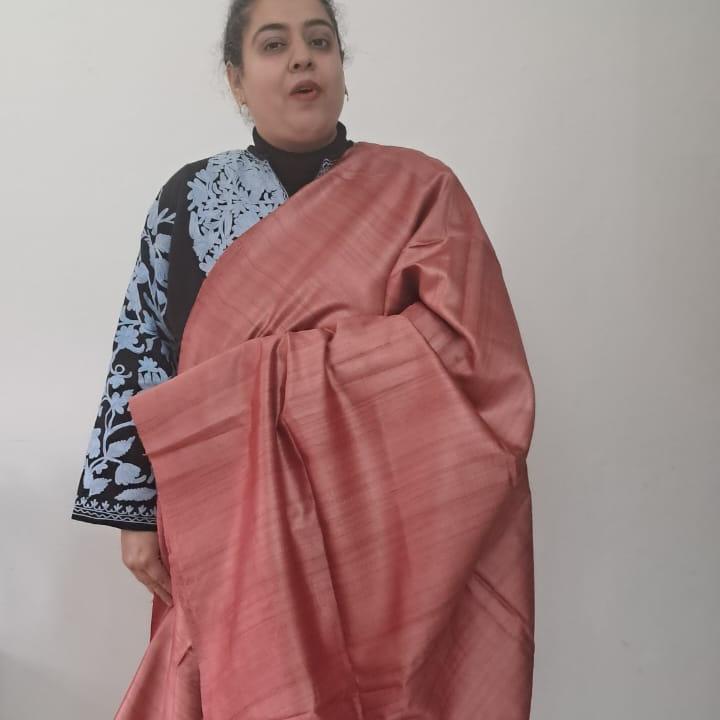
Authentic linen has a distinct texture. When you run your fingers over it, the fabric should feel slightly rough but firm—never overly smooth or silky like synthetic blends. Machine-made or imitation sarees often mimic the appearance of linen but feel soft, slippery, or overly shiny. Handwoven linen softens with use but still retains a dry, crisp texture that feels cool to the touch.
Also, check how the saree falls. Real linen drapes well but maintains a bit of stiffness and structure, whereas fake versions often collapse or look limp.
3. Look for Imperfections in the Weave
One of the most beautiful aspects of a handwoven saree is its “imperfections.” Unlike machine-made sarees that have a consistent, flawless weave, handwoven linen sarees might show slight irregularities or unevenness in the threads. These subtle variations are not flaws but marks of authenticity, indicating the human effort behind the weave.
Flip the saree and inspect the reverse side; you may notice tiny knots or threads—another indicator of it being handwoven.
4. Do the Light Test
Hold a portion of the saree against the light. Authentic linen sarees, being made of natural fibers, allow light to pass through in a diffuse manner. You’ll also see a grid-like texture when you look closely—this is due to the unique cross-weaving technique used in handwoven fabrics. In contrast, synthetic versions often block or reflect light differently and lack this natural fiber grid.
5. Read the Label and Ask Questions
Reputed brands and weavers’ collectives that sell authentic handwoven linen sarees usually provide detailed information on the label, including:
- Type of weave (handwoven or powerloom)
- Percentage of linen (100% linen or linen-cotton blend)
- Place of origin (Bhagalpur, Chanderi, etc.)
Don’t hesitate to ask the seller about the saree’s origin, weaving method, and whether any certification is available (like Handloom Mark or Linen Mark India). A knowledgeable and transparent seller is usually a good sign.
Also Read:
6. Examine the Selvedge and Pallu
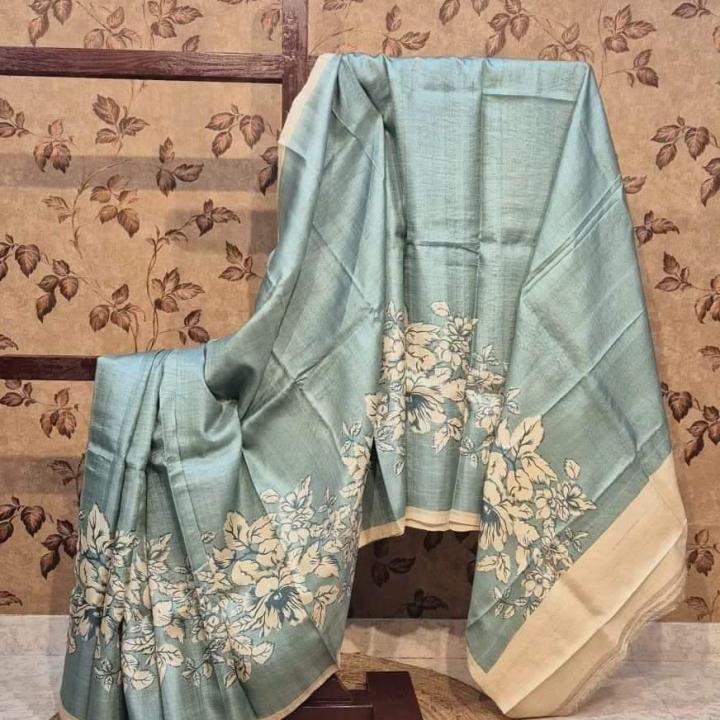
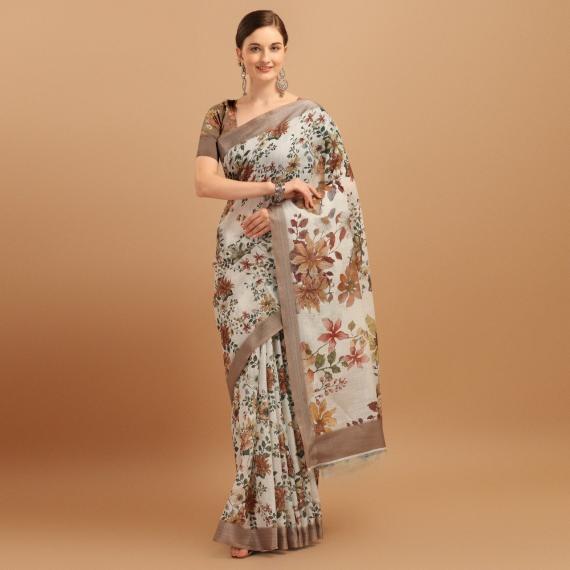
The selvedge (the tightly woven edge that runs along both sides of the saree) is another area to inspect. In handwoven linen sarees, the selvedge is often neatly finished and integrated into the fabric without any fraying. The pallu, too, might showcase intricate patterns or traditional motifs that require hand-weaving skills and are difficult to replicate via machine.
If the pallu has hand-knotted tassels, examine them. Hand-tied tassels tend to look uneven or slightly different from one another—another beautiful sign of manual craftsmanship.
7. Assess the Price Point
While price alone is not a definitive indicator, extremely cheap linen sarees claiming to be “pure” should raise red flags. Handwoven linen involves time, skill, and quality materials, all of which come at a cost. If you come across a “pure handwoven linen saree” at a heavily discounted price, it’s wise to question its authenticity. Remember, good craftsmanship is worth paying for, and investing in an original saree supports artisan communities.
8. Trust Verified Sellers and Artisan Platforms
To avoid falling for duplicates, buy from trusted weaver groups, artisan platforms, and brands known for their handloom work. Many organizations today work directly with weavers, ensuring fair trade and preserving traditional weaving communities. Buying from such sources not only ensures authenticity but also contributes to the sustainability of the craft.
If purchasing online, check for customer reviews, return policies, and whether the site mentions details about weaving techniques and artisan involvement.
Conclusion: Celebrate Authentic Craftsmanship
Owning an authentic handwoven linen saree is more than just a fashion statement—it’s a celebration of Indian heritage, sustainable fashion, and artisan skill. By learning how to identify real handwoven linen, you empower yourself as a conscious buyer and support the vibrant communities that keep this tradition alive.
So next time you fall in love with a linen saree, take a moment to feel, observe, and appreciate the subtle signatures of authenticity woven into its very fabric. And when you’re ready to shop, choose platforms that cherish and promote real craftsmanship.
Looking to buy authentic handwoven linen sarees? Explore our exclusive collection at Royal Nand Fashions—where every saree tells a story of timeless elegance and tradition.