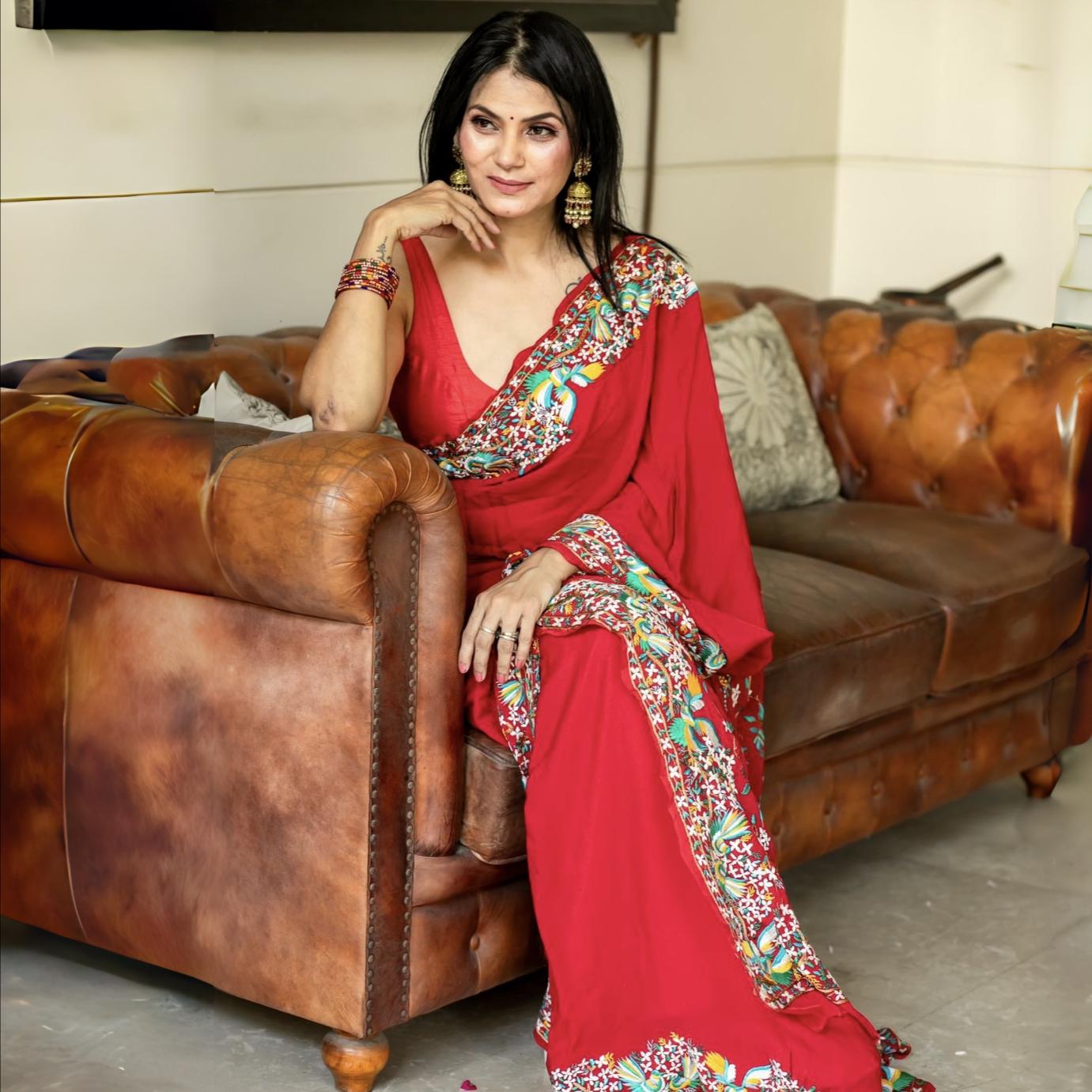
Parsi Embroidery Sarees: History, Art, Culture, and Timeless Craftsmanship
The Rich Heritage of Parsi Embroidery Sarees
Origins of the Parsi Community
The Parsi community traces its roots to ancient Persia (modern-day Iran), where their ancestors practiced Zoroastrianism. To preserve their religious and cultural identity, they migrated to India several centuries ago, carrying with them refined artistic traditions, including embroidery and textile craftsmanship.
Cultural Integration in India
After settling mainly in Gujarat and Maharashtra, the Parsis harmoniously blended their Persian heritage with Indian customs. This cultural integration played a crucial role in shaping Parsi embroidery sarees, incorporating Persian elegance, Chinese motifs, and Indian textile techniques into a unique art form.
Evolution of Parsi Textile Art
Originally embroidered on silk gara fabric for ceremonial use, Parsi embroidery gradually evolved into luxurious sarees, dupattas, and shawls. Over generations, this hand embroidery became synonymous with patience, precision, and luxury.
Understanding the Art of Parsi Embroidery
Traditional Hand Embroidery Techniques
Authentic Parsi embroidery sarees are entirely hand-embroidered using fine needles, silk threads, and traditional embroidery frames. Depending on the complexity, artisans may spend several weeks completing a single saree.
Distinctive Stitches and Thread Work
This embroidery style is renowned for satin stitches, chain stitches, and shaded thread work that creates a soft, almost painted appearance. These detailed techniques give Parsi embroidery sarees their signature depth and elegance.
Color Palette and Symbolism
Parsi embroidery commonly features ivory, black, pastel shades, and rich jewel tones. Each color holds symbolic meaning, representing prosperity, purity, nature, and celebration—adding cultural depth to the design.
Design Elements That Define Parsi Embroidery Sarees
Floral and Nature-Inspired Motifs
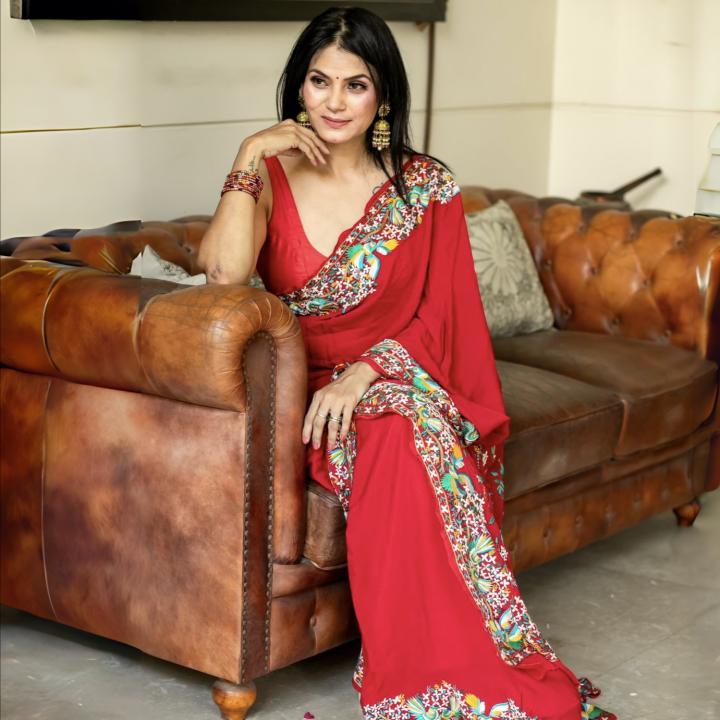
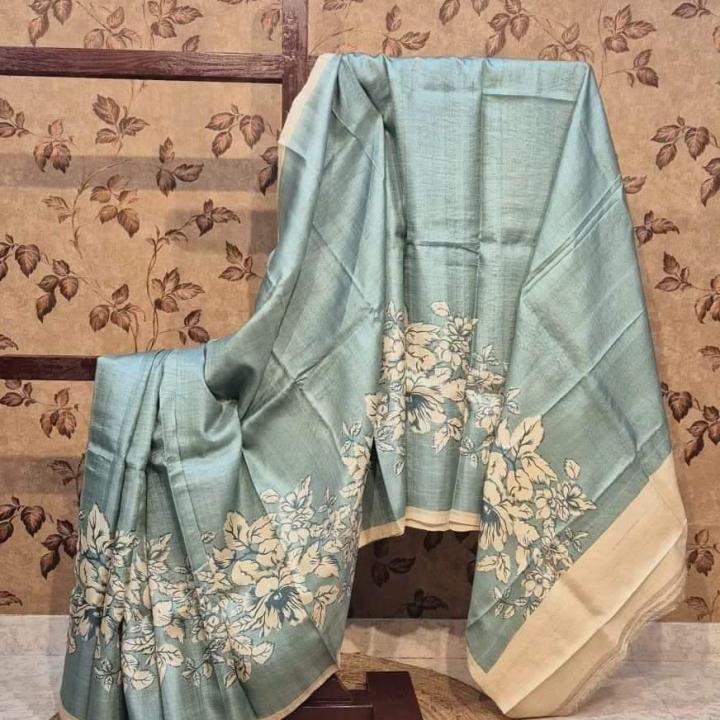
Floral patterns dominate Parsi embroidery sarees, including roses, peonies, lotuses, birds, butterflies, and flowing vines. Inspired by Persian gardens and Chinese art, these motifs symbolize harmony and beauty.
Borders and Layout Patterns
Intricately embroidered borders frame the saree with balance and symmetry. These borders enhance the overall structure while highlighting the detailed craftsmanship.
Symbolic Cultural Elements
Many Parsi Gara sarees feature symbolic motifs such as the tree of life, flowing water, and animals—representing abundance, continuity, and spiritual values within Parsi culture.
The Craftsmanship Behind Every Parsi Embroidery Saree
Fabric Selection and Preparation
Premium fabrics like silk, crepe, chiffon, and georgette are carefully chosen to support intricate embroidery. Proper preparation ensures durability and smooth thread movement.
Design Planning and Sketching
Artisans begin by hand-sketching motifs directly onto the fabric. This planning stage is essential, as even small inaccuracies can affect the final design.
Hand Embroidery and Quality Checks
Each motif is embroidered with precision, often by a single artisan or a small group. Rigorous quality checks ensure uniform stitching, color consistency, and flawless detailing—hallmarks of authentic Parsi embroidery sarees.
Cultural Significance and Modern Relevance
Role in Weddings and Ceremonies
Parsi embroidery sarees hold immense cultural value and are often worn during weddings, Navjote ceremonies, and festive occasions. Many are passed down as heirlooms, symbolizing family legacy and pride.
Preservation by Modern Artisans
With fewer skilled artisans today, designers, NGOs, and heritage brands are actively working to preserve this art form through ethical fashion initiatives and training programs.
Global Recognition in Fashion
Parsi embroidered sarees are now admired worldwide for their understated luxury. Their timeless appeal makes them a favorite among collectors and modern women who value tradition with sophistication.
Why Parsi Embroidery Sarees Remain Timeless
Parsi embroidery sarees are more than garments—they are cultural treasures. Their intricate hand embroidery, nature-inspired motifs, and rich symbolism reflect centuries of artistic excellence. In today’s fashion landscape, these sarees continue to enchant globally while maintaining their authenticity and heritage.
Frequently Asked Questions (FAQs)
How long does it take to make a Parsi embroidery saree?
A hand-embroidered Parsi saree typically takes 15 to 45 days, depending on the design complexity.
What makes Parsi embroidery unique?
Its Persian-inspired motifs, fine thread work, shaded embroidery, and nature-based designs set it apart from other Indian embroidery styles.
Are authentic Parsi embroidery sarees still available today?
Yes, though rare, skilled artisan families and specialized workshops continue to create authentic Parsi embroidery sarees.
What occasions are best for wearing Parsi embroidery sarees?
They are ideal for weddings, festivals, cultural events, formal gatherings, and heirloom occasions.
How should Parsi embroidery sarees be maintained?
Professional dry cleaning is recommended. Store them carefully, away from sunlight, to protect the embroidery.