The Art of Dyeing Linen Sarees: A Step-by-Step Guide to Adding Vibrant Hues
Understanding Linen Fabric Before Dyeing
Linen is a natural fiber made from the flax plant, which means it has excellent dye absorption capabilities. Its fiber structure allows for deep and long-lasting color penetration, making it a great choice for dyeing. However, linen also wrinkles easily and can shrink if treated harshly, so the dyeing process must be handled with care.
Before dyeing, it’s important to determine:
- Whether the saree is pure linen or blended (with silk, cotton, or synthetic fibers)
- If the saree has any starch or chemical finish that might resist dye absorption
- If it is pre-washed, which removes sizing agents or dirt that could block even dyeing
Choosing the Right Dye for Linen Sarees
Linen, being a cellulose fiber, works best with fiber-reactive dyes or natural dyes. These dyes chemically bond with the linen fibers, ensuring vibrant and long-lasting results.
Common Dye Options:
- Fiber-reactive dyes (like Procion MX): Ideal for professional-level coloring with bold shades
- Natural dyes (like indigo, turmeric, madder): Eco-friendly, earthy, and suitable for organic fabric branding
- Vat dyes: Great for dark colors but need a more complex process
- Direct dyes: Easier to use but tend to fade faster
If you want your linen saree to maintain its softness and breathability after dyeing, it’s best to avoid synthetic or harsh chemical dyes.
Step-by-Step Dyeing Process for Linen Sarees
Here’s a general method you can follow to dye linen sarees at home or in a small-scale setup:
1. Preparation
Start by washing the saree thoroughly with mild detergent to remove any residues or finishing agents. Do not use fabric softeners. Dry and iron the saree lightly to remove wrinkles.
2. Pre-wetting
Soak the linen saree in warm water for at least 30–60 minutes. This opens up the fibers and allows the dye to penetrate more evenly.
3. Prepare the Dye Bath
Mix the dye powder with warm water in a non-reactive container (stainless steel or plastic). Follow the instructions on your dye packet carefully regarding quantity and temperature. Add salt and soda ash if recommended—these help fix the dye into the fiber.
4. Dyeing the Saree
Place the pre-wetted saree into the dye bath. Stir continuously for even color distribution. Depending on the intensity desired, leave the saree in the dye bath for 30 minutes to 1 hour. Avoid clumping or folding that could cause patchy dyeing.
5. Rinsing and Washing
Once dyed, rinse the saree under cold water until the water runs clear. This removes excess dye. Follow it up with a mild detergent wash to secure the color. Avoid hot water at this stage as it can cause shrinkage or fading.
6. Drying and Finishing
Air-dry the saree in a shaded area to prevent color fading due to direct sunlight. Do not wring the saree. Once dry, iron it on a medium setting to smooth out wrinkles and enhance the shine.
Creative Techniques to Explore
If you’re looking to add artistic value or a unique design to your linen sarees, try the following techniques:
- Tie-Dye: Create playful patterns with elastic bands before submerging the saree in dye.
- Ombre Dyeing: Dip sections gradually to get a beautiful gradient effect.
- Block Printing with Natural Dyes: After dyeing, enhance your saree using wooden blocks and natural colors.
- Shibori: A Japanese technique of resist dyeing using folding and binding.
Care Tips After Dyeing Linen Sarees
Proper aftercare helps maintain the beauty and longevity of your colored linen saree:
- Wash separately in cold water, especially for the first few washes.
- Use mild, pH-neutral detergents.
- Avoid soaking for long periods after the first dye.
- Store in cool, dry places away from direct sunlight.
- Always iron on the reverse side to preserve vibrancy.
Why Color Linen Sarees?
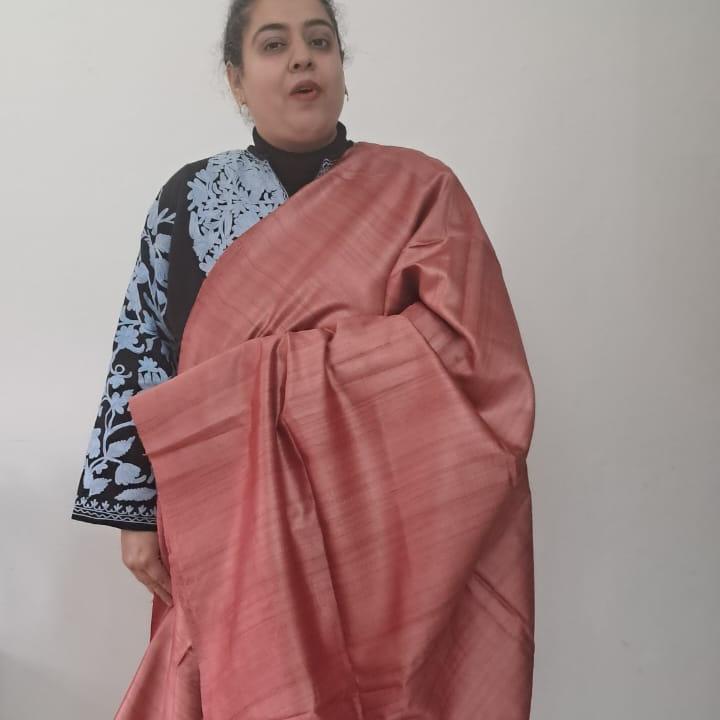
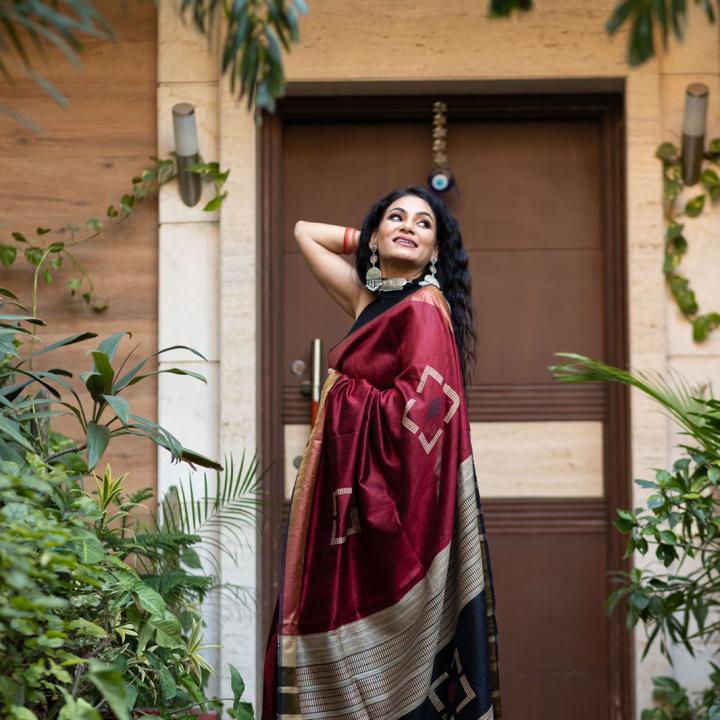
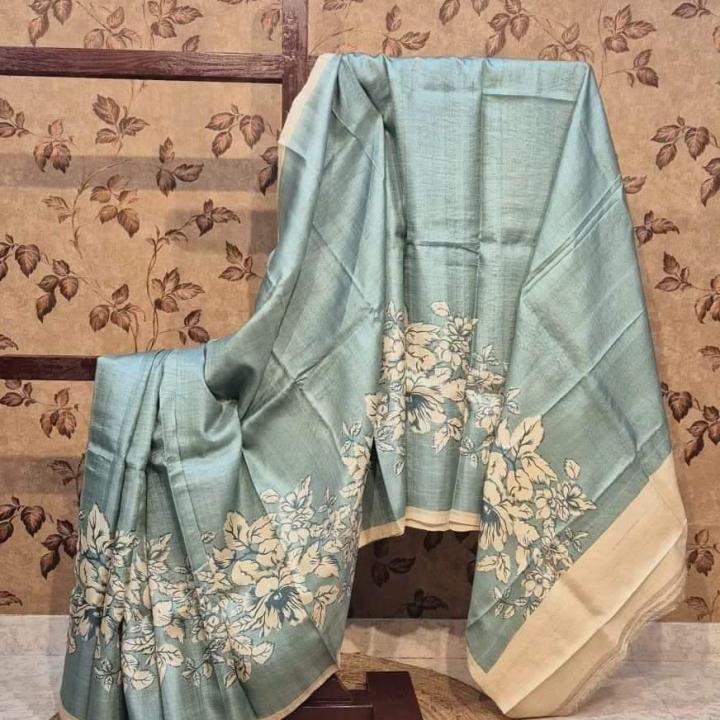
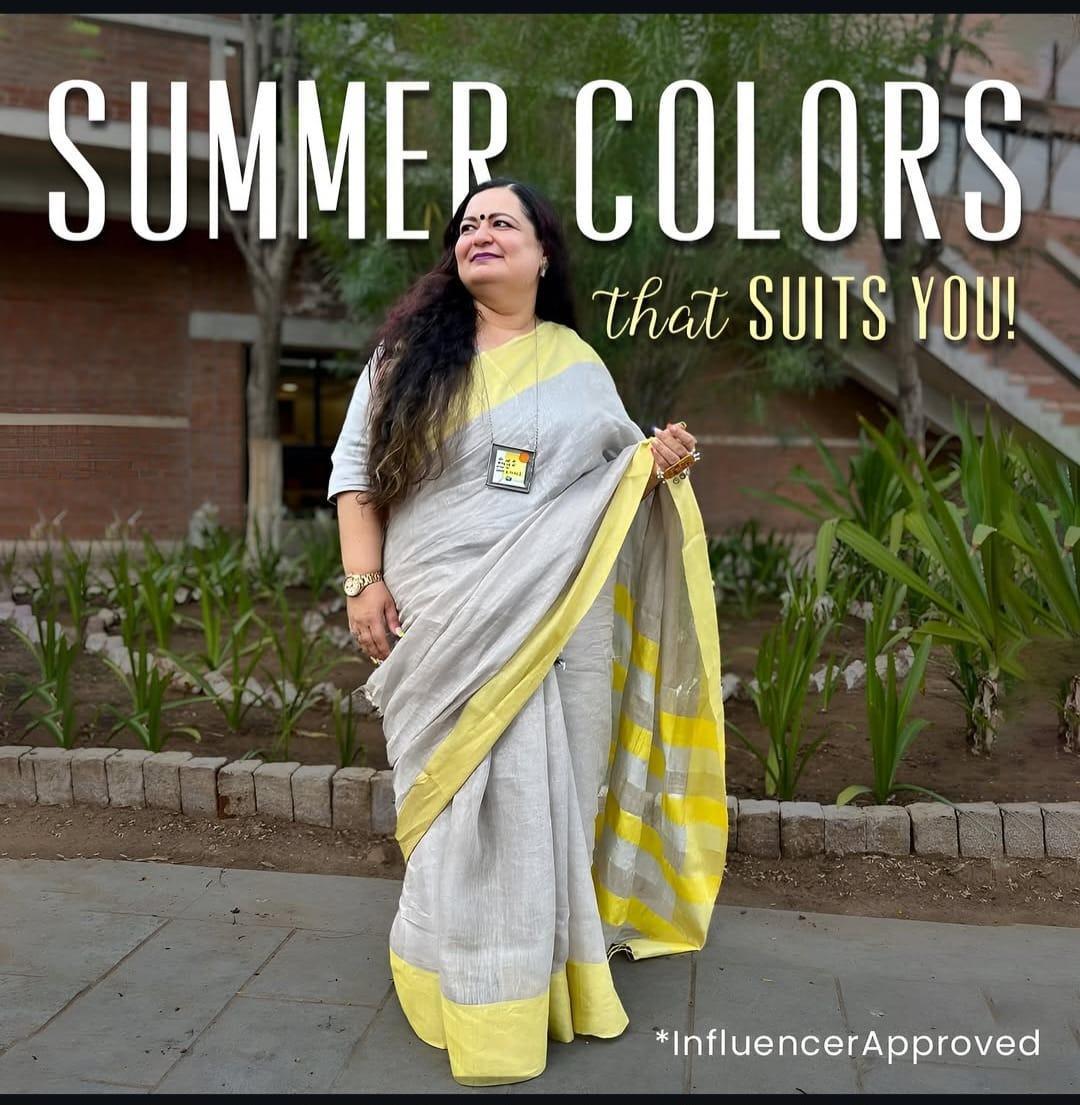
Coloring linen sarees gives new life to the fabric and allows for personalization. Whether you want pastel elegance for summer, festive reds and yellows for special occasions, or earthy tones for daily wear, dyeing empowers you to create your signature look.
Designers and artisans also prefer coloring linen sarees because:
- It enhances their resale and aesthetic value.
- Custom colors appeal to niche fashion segments.
- Eco-dyeing practices align with sustainable fashion trends.
Conclusion
Coloring linen sarees is a beautiful blend of tradition, creativity, and craftsmanship. With the right dye, method, and care, you can transform a plain linen saree into a statement piece that reflects your unique taste or your brand’s identity. Whether for personal wardrobe enhancement or boutique production, mastering the dyeing technique is both a skill and an art form.